
Dog Training Equipment: Understanding the Methodology Behind the Tools
Building a strong, communicative bond with your dog is the heart of effective training. While positive reinforcement is foundational, there are times we need specific tools to guide our canine companions toward desired behaviors. Let’s delve into some common training aids and the thoughtful methodology behind their responsible use.
The Cornerstones of Motivation: Treats and Praise
At the core of encouraging good behavior are medium-value and high-value food rewards. These powerful motivators help your dog understand exactly what you’re asking. It’s vital to pair these tasty incentives with enthusiastic verbal praise—think “Brilliant!” or a cheerful “Yes!” This creates a positive association between your words and their correct actions. Save your absolute most enticing treats for those really tough lessons where your dog needs an extra boost of encouragement.
Ideally, delicious treats and heartfelt praise would be all we’d ever need. But dogs, much like us, sometimes find mischievous habits more rewarding than following instructions. In these situations, a fair, yet clear, deterrent might become necessary to redirect their focus.
A Critical Safeguard: Let me be unequivocally clear: never, under any circumstances, is it acceptable to use a training tool or consequence in a way that causes physical or psychological harm to your dog. Such actions aren’t training; they’re abuse, plain and simple. Ethical and responsible application is always the guiding principle.
Exploring Your Options: How and When to Deploy Training Aids
When employed with care and a clear understanding, the following training tools can be incredibly effective and safe additions to your training methodology:
The Slip Collar

This is essentially a loop of chain or sturdy rope designed to tighten and loosen around your dog’s neck. It’s intended to mimic the brief, clear correction a mother dog might give her pups. When handled correctly, it delivers a precise signal to your dog.
The Prong Collar


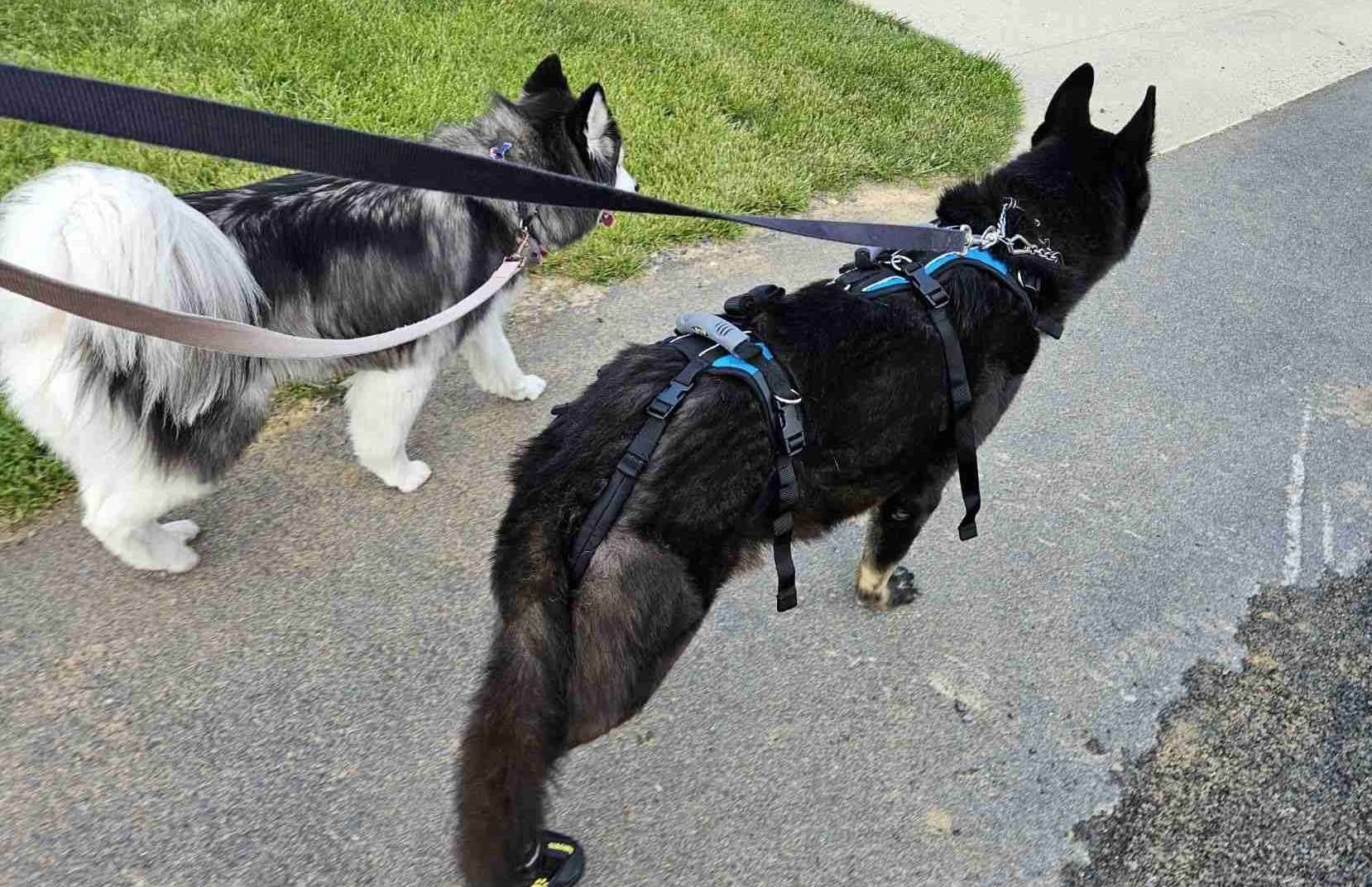
Often misunderstood, the prong collar features metallic links that gently cinch and release around the dog’s neck. Its design aims to replicate the precise, mild pressure a mother dog might apply with her muzzle to redirect a wayward puppy. This collar should always be used with the lightest possible pressure, requiring only a gentle upward tug on the leash.
The Electronic Collar

This device uses electronic signals, starting with an audible tone to alert your dog to stop a behavior. If the behavior continues, a vibration is introduced. Should the behavior still persist, a low-level electrical pulse is emitted. The genius of this system lies in the dog quickly learning that by responding to the tone, they never experience the stimulation.
These systems are engineered to operate at the bare minimum level of stimulation. The goal is for your dog to perceive it as a fleeting annoyance—like a light tap on the shoulder—not pain. Any application of electronic stimulation should never cause painful vocalization or a fearful physical response. If your dog shows signs of distress, this method should be discontinued immediately, and an alternative approach pursued.
Used responsibly, electronic collars are highly safe and can swiftly curb undesirable habits, while also accelerating advanced obedience, including reliable off-leash control. They are particularly beneficial for handlers who may struggle with the physical demands of managing a strong dog on a leash, or for dogs that are exceptionally determined to continue destructive behaviors despite other training efforts.
The Head Halter

This fabric apparatus fits over your dog’s muzzle and behind their head, attaching to a leash. Its principle is simple: where the head goes, the body follows. As the leash applies tension, it gently guides your dog’s muzzle and direction, giving you subtle control.
The Marker Clicker

A small, push-button device that produces a distinct metallic click. The clicker serves as a powerful “marker.” Every time your dog performs an action you’d like to reinforce, you click the button and immediately follow with a food treat. Your dog will quickly associate the click with a reward, becoming more aware of what they’re doing in that moment and increasing the likelihood of repeating that desired action.
The Standard Leash

This is your everyday fabric leash, typically six feet in length, used to keep your dog safely connected to you. It’s your primary tool for guiding your dog and making necessary adjustments during walks and foundational training.
The Extended Line

A much longer version of a standard leash, often 15, 20, 25, or even 30 feet long. The extended line is invaluable for safely simulating off-leash freedom, allowing you to practice and achieve reliable long-distance recall in a controlled environment.
A thoughtful understanding of these tools and the responsible way to apply them can significantly enrich your training journey. Remember, the ultimate objective is clear communication and a loving partnership with your dog.